

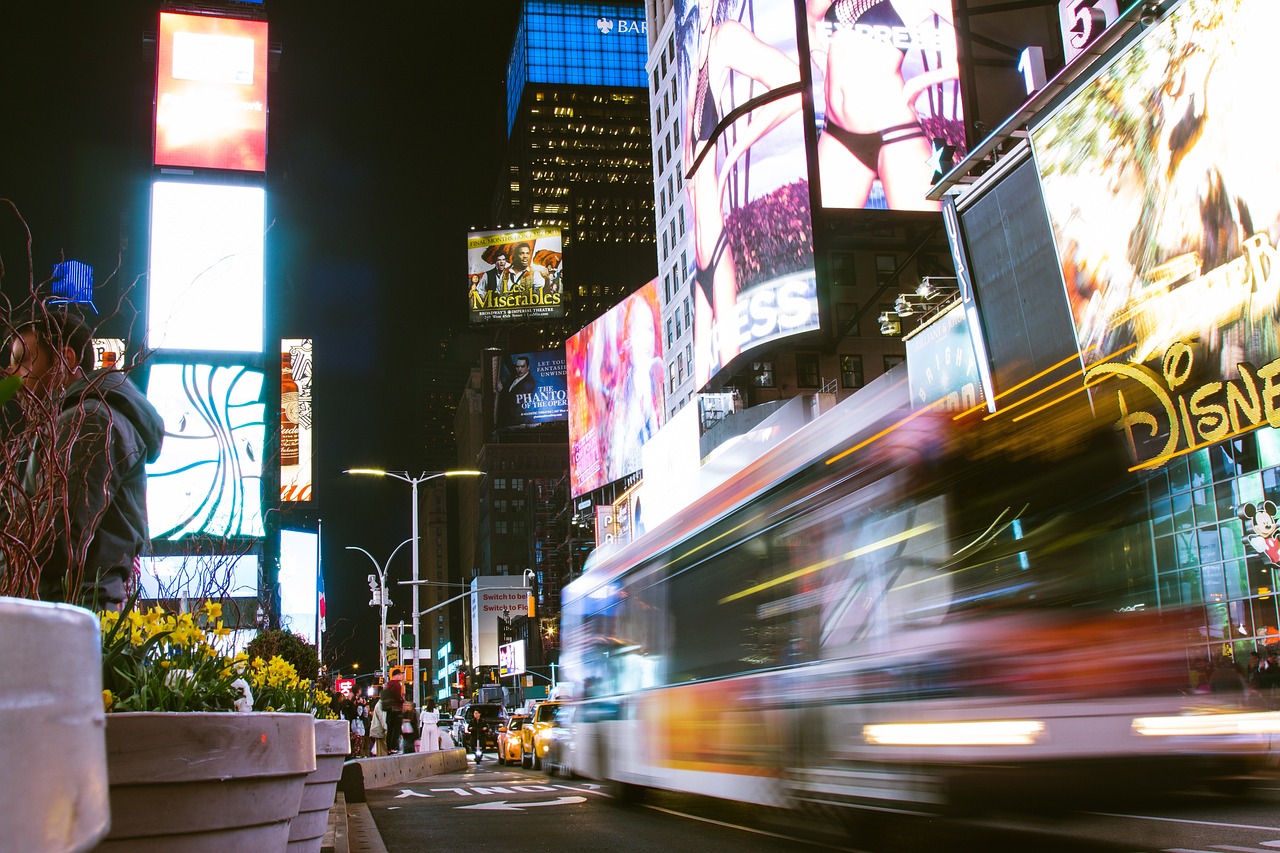
Out-of-home (OOH) advertising is entering one of the most important chapters in its history. Once viewed as a traditional, static medium, OOH has evolved into a dynamic, technology-enabled channel that blends physical presence with digital intelligence.
After facing challenges earlier in the decade—from pandemic-related mobility shifts to advertisers reallocating budgets toward purely online channels—OOH has proven remarkably resilient. In recent years, spending has rebounded strongly, signaling renewed confidence from brands that recognize the power of reaching people in the real world, not just on screens in their hands.
At the center of this resurgence is digital out-of-home (DOOH)—a format that has transformed how, when, and where OOH advertising works.
From Static Billboards to Living Media
Traditional OOH was built on permanence. A creative went up, stayed for weeks or months, and relied on scale and repetition to make an impact. While effective, it lacked flexibility.
DOOH changed that model entirely.
Digital screens now allow advertisers to update creative in real time, rotate multiple messages, and align campaigns with context—time of day, location, weather, traffic patterns, or nearby events. OOH is no longer a fixed message; it’s a living medium that can adapt to the environment around it.
This shift has also expanded where OOH lives. Beyond highways and city centers, DOOH placements now appear in retail environments, office buildings, transit hubs, entertainment venues, and neighborhood-level locations—bringing brands closer to moments of decision and daily life.
How AI Is Reshaping OOH Advertising
Artificial intelligence is accelerating OOH’s transformation by removing friction from planning, buying, and measurement.
AI-driven tools help advertisers:
- Identify high-performing locations based on audience movement and behavioral data
- Forecast impressions and optimize delivery before campaigns even launch
- Align creative messaging with contextual signals automatically
- Improve post-campaign analysis through exposure modeling and lift measurement
Rather than replacing strategy, AI enhances it—allowing planners and marketers to focus less on logistics and more on outcomes. OOH becomes smarter, more predictable, and easier to integrate alongside digital, mobile, and video channels.
Key Trends Defining the Next Era of OOH
Several trends are shaping how OOH will continue to evolve:
Programmatic Accessibility
Buying OOH is becoming faster and more flexible. Programmatic access allows advertisers of all sizes—not just national brands—to activate campaigns quickly, test markets, and adjust in real time.
Contextual Relevance Over Broad Reach
Modern OOH favors relevance over sheer scale. Campaigns increasingly respond to local conditions, cultural moments, and community environments, making messages feel timely rather than intrusive.
Sustainability and Smarter Infrastructure
As digital screens proliferate, operators are investing in energy-efficient displays and responsible infrastructure, aligning OOH growth with environmental considerations.
Local and Place-Based Media Growth
Brands are recognizing the value of appearing in trusted, familiar environments. Hyperlocal placements and curated media networks are becoming central to building authenticity and engagement.
Why OOH Matters More Than Ever
In a fragmented media landscape dominated by algorithms and endless scrolling, OOH offers something rare: unavoidable presence without interruption. It reaches people when they are moving, commuting, shopping, and living their lives—often at moments when other channels can’t.
When paired with modern data, technology, and thoughtful creative, OOH becomes more than awareness. It drives consideration, reinforces brand trust, and supports measurable business outcomes.
Preparing for the Future of OOH Advertising
The next generation of OOH success won’t come from treating it as a standalone channel. It will come from:
- Integrating OOH into broader omnichannel strategies
- Embracing flexibility in creative and planning
- Leveraging data responsibly to inform—not overwhelm—decisions
- Focusing on relevance, community, and real-world connection
OOH has moved beyond its legacy reputation. Today, it stands at the intersection of technology and place—combining the scale of mass media with the intelligence of digital marketing.
As brands look ahead, out-of-home advertising isn’t just keeping pace with the future of media. In many ways, it’s helping define it.