

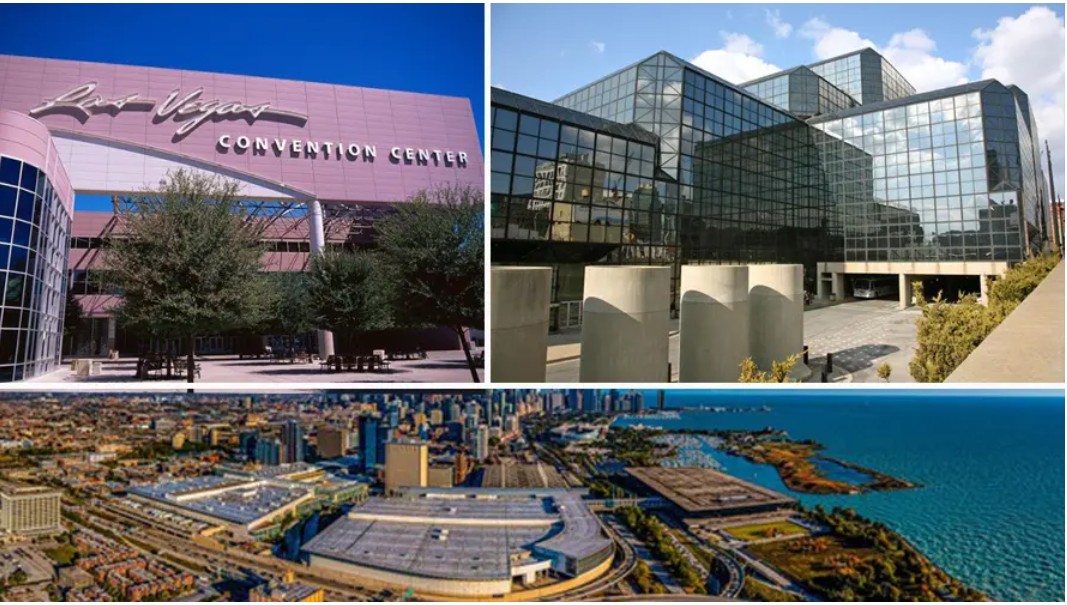
How exhibitors can stay visible before, during, and after major conferences through geo-targeted audience strategies
Fall conference season is approaching.
Booths are being designed.
Travel is getting approved.
Sponsorships are being signed.
Sales teams are planning dinners, networking events, speaking opportunities, and exhibit schedules.
And for many organizations, conference season represents one of the largest marketing investments of the year.
Healthcare conferences.
Banking and financial services events.
Tourism and chamber conferences.
Higher education recruitment events.
Technology expos.
Association meetings.
Trade shows.
The investment adds up quickly:
- Booth sponsorships
- Travel and hotels
- Swag and giveaways
- Customer dinners and networking events
- Sales and executive time
- Shipping and logistics
- Sponsorship packages and speaking opportunities
For some exhibitors, a single conference investment can reach the tens — or even hundreds — of thousands of dollars.
Which raises an important question:
How do you get more value from the audience you already paid to reach?
At Enradius, after working with hundreds of clients and thousands of campaigns, we’ve spent years helping brands think differently about location-based marketing and audience engagement.
Ironically, over the past several months, we found ourselves in an interesting position:
Multiple clients promoting at the same large-scale conference venues.
That gave us something valuable — an opportunity to better observe conference audience behavior and test how geo-targeted audience strategies can extend visibility around major events.
And one idea kept standing out:
The event should not be the end of the audience opportunity.
The Booth Is Only One Moment
Most conference marketing focuses on what happens inside the venue.
How many badge scans did we get?
How many meetings did sales schedule?
Did attendees stop at the booth?
Did anyone attend our session?
Those are fair questions.
But they only tell part of the story.
Because conference attendees don’t disappear when the expo hall closes.
They move.
They travel.
They network.
They stay in hotels.
They go to dinners.
They explore local restaurants and entertainment districts.
They head back to airports.
And in many B2B industries, they return home and begin internal conversations that may influence buying decisions weeks — or months — later.
That’s where a smarter strategy starts to emerge.
Instead of thinking only about booth traffic:
What if conference marketing continued before, during, and after the event?
What We’ve Seen Across Major Conference Markets
Over the years, Enradius has supported campaigns connected to conference and event environments across many of the country’s largest convention destinations and meeting markets.
Including:
- Orlando
- Las Vegas
- Chicago
- Nashville
- Washington, D.C.
- Baltimore
- Philadelphia
- Raleigh
- Richmond
- Ocean City
We’ve supported campaigns tied to industries ranging from:
- Healthcare and medical conferences
- Banking and financial services events
- Tourism and chamber organizations
- Higher education recruiting and enrollment events
- Association meetings and trade groups
- Technology and B2B conferences
- Sponsorship activations and trade show environments
And whether the conference takes place at a convention center, downtown hotel corridor, waterfront venue, or entertainment district, one thing becomes obvious quickly:
Conference attendees remain valuable long after the keynote ends.
A Smarter Three-Phase Strategy for Conferences
Here’s where we think exhibitors can start thinking differently.
Before the Conference: Build Awareness
Many conference strategies begin too late.
Attendees are often overwhelmed the moment they arrive.
Hundreds of exhibitors.
Packed schedules.
Too many sessions.
Too many choices.
Instead of hoping someone notices Booth #418, smart exhibitors can begin building familiarity before attendees even arrive.
Geo-targeted awareness strategies can help:
- Promote speaking sessions
- Reinforce sponsorships
- Drive meeting appointments
- Introduce the brand before the event begins
Imagine attendees already recognizing your name before walking the exhibit floor.
That changes the conversation.
During the Conference: Stay Visible Beyond the Booth
Conferences rarely happen only inside exhibit halls.
Some of the best conversations happen:
- Over dinner
- In hotel lobbies
- During networking events
- Between sessions
- At sponsored happy hours
- In nearby entertainment districts
This is especially important because attendees arrive in unfamiliar cities with lots of choices.
Where should they eat?
Where should they meet clients?
What part of town should they explore?
Which brands are memorable?
Conference audiences move constantly — and visibility opportunities move with them.
Instead of only competing for booth traffic, exhibitors can stay visible around the broader event ecosystem.
Hotels.
Restaurants.
Convention corridors.
Networking zones.
Transportation routes.
Airports.
Evening gathering places.
Because conferences are not just places.
They are experiences.
Attendees Have Choices — Lots of Them
This is something exhibitors often overlook.
Conference attendees arrive in market surrounded by decisions.
Especially in destinations like Orlando, Chicago, Las Vegas, Nashville, Washington D.C., or Baltimore.
They are deciding:
- Where to eat
- Who to meet
- What sessions to prioritize
- What brands feel familiar
- Which vendors stand out
That creates an overlooked opportunity.
Smart sponsors stay visible while attendees are actively making decisions.
Not in a disruptive way.
In a relevant way.
The goal isn’t to interrupt.
It’s to stay remembered.
After the Conference: The Biggest Opportunity
This may be the most overlooked phase of conference marketing.
The event ends.
Booths come down.
Flights head home.
Everyone starts sending follow-up emails.
And visibility disappears.
But buying cycles don’t.
For many B2B industries, decisions happen well after the event.
Internal conversations begin.
Procurement starts.
Teams compare vendors.
Research continues.
Which raises an important question:
Why stop marketing to an audience you already paid to access?
Instead of relying exclusively on email follow-up and badge scans, exhibitors can continue visibility during the exact window attendees are evaluating options.
For many organizations, a 45–90 day post-event visibility strategy helps extend awareness long after the conference ends.
Because conferences are rarely about instant purchases.
They are about consideration.
And consideration takes time.
A Better Question for Fall Planning
Conference marketing is expensive.
And expectations around ROI continue to grow.
So instead of asking:
“How many badges did we scan?”
A better question may be:
How do we maximize the audience we already paid to access?
Because the companies getting more from conferences are often not the ones with the biggest booth.
They’re the ones that stay visible after everyone else stops showing up.
Planning Fall Conferences? Start Here.
If your organization is investing in conferences, sponsorships, exhibit booths, or event marketing this fall, ask yourself one simple question:
What happens after attendees leave?
At Enradius, we help exhibitors and sponsors think beyond booth traffic through geo-targeted audience strategies designed to support visibility before, during, and after conferences.
From convention center targeting and attendee audience strategies to post-event visibility and extended awareness, we help organizations continue the conversation long after the event ends.
To learn more about conference geo-targeting and how brands are extending event ROI through location-based audience strategies, visit: https://www.enradius.com/geofencing-events/convention-centers/
Because the conference may be ending.
But the audience opportunity may just be beginning.